Personal Yoga Training in Manmad for Individual Wellness Goals
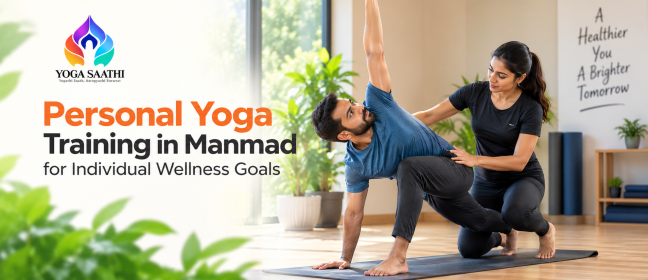
Personal Yoga Training in Manmad for Individual Wellness
Goals
A yoga practice is easier to sustain when it fits your life.
In Manmad, one person may have time for a quiet morning session at home;
another may need an evening slot after work. Some want to learn the basics with
confidence, while others hope to return to movement after a long break.
Personal Yoga Training in Manmad for Individual Wellness
Goals gives you room to discuss those needs with an instructor and practise
at a suitable pace. It can be a useful option if a group timetable does not
work for you or if you would appreciate closer guidance. The right starting
point depends on your experience, comfort and health circumstances.
What Is Personal Yoga Training?
Personal yoga training is one-to-one instruction planned
around an individual participant. A session may include physical postures,
breathing awareness, rest and other elements of yoga, selected according to
what the person is ready to practise.
In a group class, an instructor guides several people
through a shared session. In an individual yoga class, the instructor can spend
more time explaining a movement, observing how you perform it and offering an
alternative when needed. That attention does not mean every pose must be made
more demanding. Sometimes a simpler practice is the better choice.
An instructor developing a customised yoga programme should
ask about your experience, mobility, schedule, preferences and general wellness
priorities. They should also welcome feedback as those needs change.
Benefits Of Personal Yoga Training In Manmad
The main advantage of one-to-one instruction is the
opportunity to shape the practice around the participant. Depending on your
goals and capacity, that may include:
- Individual
attention: More time to ask questions and understand why a movement is
included.
- Flexible
pacing: Space to repeat the basics, rest or progress gradually.
- Posture
guidance: Clear cues and suitable variations for comfortable movement.
- Technique
feedback: An instructor can observe your practice and suggest
adjustments without forcing a position.
- Consistent
planning: Sessions can build on what you have learnt and accommodate
changes in your routine.
People may explore yoga for strength and flexibility,
balance, posture awareness, relaxation or concentration. Others simply want a
regular period for mindful movement. These are reasonable goals to discuss, but
personalised yoga does not guarantee a particular health, fitness or medical
result. Progress differs from person to person.
What To Expect In Your First Personal Yoga Session
An initial session should feel like a conversation as well
as an introduction to practice. You do not need to arrive knowing the names of
poses or demonstrating a particular level of flexibility.
A thoughtful instructor will generally:
- Discuss
your goals and what you would like from the sessions.
- Ask
about your experience with yoga and other physical activity.
- Review
relevant limitations, injuries or health concerns that you choose to
disclose for safe planning.
- Observe
basic movement, with your consent, to understand which approaches feel
manageable.
- Suggest
a starting practice and explain how it may be adjusted over time.
You should be able to ask questions, decline a movement and
say when something feels uncomfortable. If an instructor proposes physical
assistance or touch, they should explain it first and obtain your consent. A
first session is a starting point for wellness planning, not a medical
assessment.
How A Personal Practice Can Fit Different Lives
Beginners And People Returning To Activity
Beginner personal yoga sessions can focus on familiarising
you with basic movements, breathing and rest. Someone returning to physical
activity may prefer shorter, gentler sessions while rebuilding consistency.
Neither person needs to keep pace with an advanced routine.
Working Professionals And Homemakers
Work hours, household responsibilities and caring
commitments can make a fixed class time difficult. A personal yoga trainer in
Manmad may be able to agree a practical schedule and plan sessions around the
time available. A manageable routine is often more useful than an ambitious one
that is hard to maintain.
Senior Adults
An older participant may want more time for transitions
between positions, balance support or seated options. The plan should reflect
the individual rather than assumptions about age. Anyone with a health
condition or balance difficulty should discuss suitable activity with a
qualified healthcare professional as needed.
Choosing A Session Format And Sustainable Pace
Private yoga classes in Manmad may be offered at home, in a
studio or online. Each format has practical points to consider.
Home yoga training in Manmad can reduce travel and
let you practise in a familiar setting. Check that there is enough clear space,
suitable flooring and an arrangement in which you feel comfortable. Studio
sessions may provide a dedicated practice space. Online one-to-one yoga sessions
in Manmad can make scheduling easier, although camera position and connection
quality affect how well an instructor can observe movement.
Ask how long a session lasts and how often the instructor
recommends meeting. There is no single duration or frequency that suits
everyone. A sensible plan starts within your capacity and adjusts the length,
frequency and difficulty gradually. Rest and feedback belong in that plan too.
If a practice leaves you struggling to recover or reluctant to attend the next
session, raise it with your instructor.
How To Choose A Personal Yoga Trainer In Manmad
Searching for “yoga classes near me in Manmad” may produce
several options, but proximity is only one consideration. Before booking,
compare how instructors teach and whether their arrangements suit you.
Look for qualifications you can verify and experience
relevant to your needs. Ask how the instructor adapts movements, responds to
limitations and communicates with beginners or people returning to practice.
References or genuine feedback may help, provided you can assess them
critically.
Practical details matter as well: location, travel
arrangements, availability, cancellation terms and transparent fees. For home
or private sessions, discuss privacy, consent, professional boundaries and
safeguarding practices. You should feel able to speak up, make choices about
your participation and practise in a safe environment.
Questions To Ask Before Booking
- What
training have you completed, and how can I verify it?
- How
would you plan sessions around my experience and goals?
- What
happens if a movement causes discomfort?
- Do
you ask before offering hands-on adjustments?
- Where
will sessions take place, and what space or equipment will I need?
- What
are the session fees, duration, payment terms and cancellation policy?
Clear answers can tell you more about an instructor’s
approach than a promise of quick results.
Preparing For A Personal Yoga Session
Wear clothing that lets you move comfortably. Have drinking
water available, and ask the instructor whether you need a mat or any other
equipment. Avoid arriving immediately after a heavy meal; choose meal timing
that feels comfortable for you and follows any medical advice you have
received.
Tell the instructor about relevant injuries, symptoms,
pregnancy, recent surgery or physical limitations before practice begins. You
can ask how that information will be handled and shared. You need only provide
what is relevant to planning the session safely, but withholding a concern that
affects movement may make suitable adjustments harder.
During practice, do not ignore pain, dizziness, unusual
breathlessness or other troubling discomfort. Stop, tell the instructor and
seek appropriate medical advice if symptoms persist or concern you. A good
instructor will treat that feedback seriously.
Practising Safely With Health Considerations
Yoga can be adapted, but an instructor should not diagnose a
condition or decide whether you are medically fit to exercise. Pregnancy,
recent surgery, injuries, balance difficulties, cardiovascular concerns,
respiratory conditions and chronic health conditions may call for changes to a
practice or for some activities to be avoided. Guidance from the US National
Center for Complementary and Integrative Health notes that qualified
instruction and appropriate modifications matter for safe participation.
If a medical condition or physical limitation may affect
your participation, consult a qualified healthcare professional before
beginning or changing your routine. Share any advice relevant to the practice
with your instructor. Yoga may complement appropriate medical care,
physiotherapy or rehabilitation, but it must not replace them.
Frequently Asked Questions
Q: Are Private Yoga Classes In Manmad Suitable For
Beginners?
A: Yes, a beginner can ask for a session focused on
simple movements, breathing awareness and clear explanations. Ask how the
instructor checks comfort and adjusts the pace.
Q: Can I Arrange One-To-One Yoga Sessions At Home In
Manmad?
A: Home sessions may be an option, depending on an
instructor’s service area and availability. Confirm the location, space needed,
travel arrangements, privacy expectations and total fee before booking.
Q: How Often Should I Book Personal Yoga Sessions?
A: The right frequency depends on your capacity,
goals, schedule and any relevant health advice. Discuss a routine you can
maintain and review it as you gain experience.
Q: Can A Trainer Create A Customised Yoga Programme For
My Goals?
A: An instructor can plan and revise sessions around
general wellness goals such as flexibility, balance or consistency. They should
explain the approach without promising specific results or presenting yoga as
medical treatment.
Q: Should I Tell My Instructor About An Injury Or Health
Condition?
A: Yes, share concerns that could affect safe
participation. If you are unsure whether yoga is suitable, seek advice from a
qualified healthcare professional first. The instructor can then discuss
appropriate adjustments within their role.
Personal Yoga Training in Manmad for Individual Wellness
Goals works best when the practice fits the person doing it. Compare suitable
local options, ask about qualifications and teaching methods, and be clear
about your schedule, preferences and any relevant limitations. Choose an
instructor who listens, explains their approach and helps you build a practice
at a pace you can manage.