Pranayama and Meditation for Stress Relief and Mental Wellness
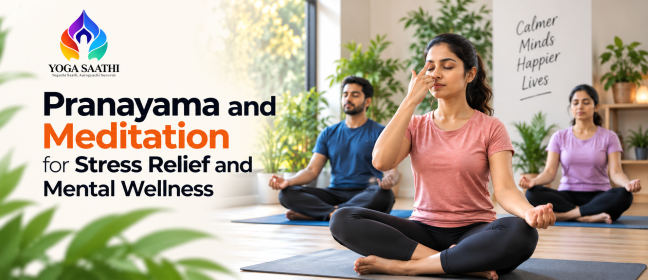
Pranayama and Meditation for Stress Relief and Mental
Wellness
Some days, stress shows up as a crowded mind. On others, it
feels like tight shoulders, shallow breathing or difficulty settling after a
busy day. Pranayama and Meditation for Stress Relief and Mental Wellness
offers a way to pause, notice what is happening and make room for a calmer
response.
You do not need to sit perfectly still or clear your mind to
begin. A few minutes of comfortable breathing and gentle attention can be a
useful part of everyday self-care. These practices can complement professional
care, but they must not replace medical or psychological treatment when it is
needed.
What Are Pranayama And Meditation?
Pranayama refers to breathing practices within the Indian
yoga tradition. For a beginner, it can mean paying attention to the breath and
exploring a gentle rhythm without strain. Meditation is the practice of
bringing attention to an experience, such as breathing, bodily sensations or
sounds, and returning to it when the mind wanders.
The two work well together. Breathing gives your attention a
simple place to rest; meditation helps you notice thoughts and feelings without
immediately reacting to them. You may feel more settled after a session, or you
may simply become more aware of how you feel. Both are reasonable experiences.
Benefits Of Pranayama And Meditation For Mental Wellness
People often turn to pranayama for stress relief because it
creates a deliberate pause in the day. Gentle breathing exercises for
relaxation may help you ease physical tension, while meditation can help you
recognise when your attention has been pulled into worry or distraction.
Research suggests mindfulness and meditation may help with stress, although
experiences and outcomes vary.
With consistent practice, you may find it easier to:
- Notice
stress signals before they build up.
- Take
a moment before responding to a difficult situation.
- Give
your attention to one task at a time.
- Make
space for rest and self-awareness.
Think of these as possible wellness benefits, not targets
you must achieve each day. Emotional balance does not mean feeling calm all the
time. It includes recognising what you feel and choosing how to care for
yourself.
Four Gentle Pranayama Practices For Beginners
Sit on a chair or cushion with your back comfortably
supported. Keep your shoulders relaxed and let each breath stay within an easy
range. If a technique feels unpleasant, return to ordinary breathing. The steps
below are gentle introductions, not a test of how deeply or slowly you can
breathe. NHS guidance likewise recommends breathing comfortably without forcing
the breath.
Deep Diaphragmatic Breathing
- Place
one hand lightly on your abdomen and the other on your upper chest.
- Breathe
in gently through your nose, allowing your abdomen to move naturally.
- Breathe
out slowly, letting your abdomen soften.
- Continue
for one to two minutes at a comfortable pace.
Your chest may move too; there is no need to hold it still.
Avoid taking repeated oversized breaths.
Anulom Vilom Without Breath Holding
This beginner version of alternate-nostril breathing uses a
natural, unforced rhythm.
- Sit
comfortably and take a few ordinary breaths.
- Gently
close your right nostril with your thumb and breathe in through the left.
- Close
the left nostril, release the right and breathe out through the right.
- Breathe
in through the right, then switch and breathe out through the left.
- Repeat
for two or three comfortable rounds.
Keep your touch light. If your nose is blocked or switching
sides feels awkward, skip this practice and breathe normally.
Bhramari Or Gentle Humming Breath
- Sit
comfortably and breathe in through your nose.
- As
you breathe out, make a soft humming sound with your lips closed.
- Let
the hum end when the breath naturally ends.
- Pause
for an ordinary breath, then repeat three to five times.
The sound should feel easy, with no pressure in your throat,
ears or chest.
Gentle Counted Breathing
- Breathe
in gently while counting to three at a natural pace.
- Breathe
out while counting to three or four, whichever feels comfortable.
- Continue
for about a minute.
- Drop
the count if it makes you strain or focus too intensely on your breathing.
Counts are guides, not goals. You can also practise by
simply noticing a comfortable inhale and exhale.
Leave forceful or advanced breathing practices for
qualified instruction. Beginners should avoid rapid, forceful breathing,
prolonged breath holding and any attempt to push through discomfort. This is
especially important if you have a health concern or are unsure which practices
suit you.
Simple Meditation Techniques For Beginners
Choose one of these meditation techniques for beginners
rather than trying to do them all in one sitting.
Breath-Awareness Meditation
Sit comfortably and notice where you feel your natural
breath most clearly: at the nose, chest or abdomen. When your attention moves
to a thought, acknowledge it and gently return to the breath. Start with two or
three minutes.
Body-Scan Meditation
Bring your attention slowly from your feet towards your
head. Notice contact with the floor or chair, areas of ease and areas of
tension. You do not have to change anything. If focusing on a body area feels
uncomfortable, move on or open your eyes.
Mindfulness Meditation
Notice one present-moment experience, such as sounds around
you or the feeling of your feet on the ground. Let it be your point of
attention. This can be a useful alternative when focusing closely on breathing
does not feel comfortable.
Guided Relaxation
Follow a short spoken practice that invites you to settle
your posture and notice sensations gently. Choose guidance that allows you to
adjust or stop at any time. Silence is also fine if you prefer it.
A Practical 10–15-Minute Daily Routine
A daily meditation practice can be simple enough to fit
between ordinary commitments:
- One
minute: Sit comfortably and notice how you feel.
- Three
minutes: Practise gentle diaphragmatic or counted breathing.
- Five
to eight minutes: Try breath awareness, a body scan or mindfulness of
sounds.
- One
to three minutes: Return to ordinary breathing and notice your
surroundings before standing up.
Ten minutes is plenty to begin. If you have only three
minutes, use them. Practising in a way you can comfortably repeat matters more
than following a perfect schedule.
Finding A Practice That Fits Your Day
In the morning, a few minutes of gentle breathing and
breath awareness can give you a quiet start before classes, work or household
tasks. During the day, a brief pause with your feet on the floor may
help you gather your attention between activities. In the evening, a
body scan or guided relaxation may feel more suitable than structured counting.
Students can practise before a study session. Working
professionals may prefer a short pause after closing their laptop. Homemakers
can choose a quieter moment between responsibilities. Senior adults and anyone
new to yoga can practise while seated in a supportive chair. Adapt the position
and timing to your comfort and circumstances.
Choose a reasonably quiet space, silence notifications if
possible and allow yourself to adjust your posture. You do not need a special
room. Linking practice to something you already do, such as your morning tea or
an evening break, can make it easier to remember.
When Practice Feels Difficult
Restlessness and wandering thoughts are common. Meditation
does not require you to stop every thought; noticing that your mind has
wandered and returning gently is part of the practice.
If you feel impatient, shorten the session. If you miss a
day, begin again when you can. If closing your eyes feels uncomfortable, keep
them open and rest your gaze on one spot. A gradual approach leaves room to
learn what suits you without turning wellness into another obligation.
Safety And When To Seek Support
Keep breathing gentle and stop if you feel dizzy,
breathless, distressed or unwell. Return to your usual breathing and seek
medical advice if symptoms concern you. Breathing too quickly or heavily can
cause dizziness.
If you have a respiratory condition, cardiovascular concern,
are pregnant, experience dizziness or panic symptoms, or have significant
mental-health difficulties, ask a qualified healthcare professional which
practices are appropriate for you. Breath-focused or relaxation exercises can
sometimes feel unsettling, so it is reasonable to choose another approach or
stop.
If stress, anxiety or emotional distress is severe,
persistent or affects daily functioning, seek guidance from a qualified
healthcare or mental-health professional. Pranayama and meditation may
complement that support; they are not substitutes for it.
Frequently Asked Questions
Q: How Long Should Beginners Practise Pranayama And
Meditation?
A: Start with a few comfortable minutes. You can
gradually work towards a 10–15-minute routine if it feels helpful and
manageable.
Q: Which Breathing Exercise Is Easiest For Beginners?
A: Gentle diaphragmatic breathing is a
straightforward place to start. Breathe naturally and avoid forcing a deeper or
slower rhythm.
Q: Is It Normal For My Mind To Wander During Meditation?
A: Yes. Notice where your attention went, then return
to your chosen focus without judging yourself.
Q: Can I Practise Meditation Without Focusing On My
Breath?
A: Yes. You can pay attention to sounds, your feet on
the floor or a comfortable point in your surroundings.
Q: Can Pranayama And Meditation Replace Mental-Health
Care?
A: No. They can be part of a self-care routine
alongside professional support, but they must not replace recommended medical
or psychological care.
Pranayama and Meditation for Stress Relief and Mental
Wellness can begin with one comfortable breath and a few moments of
attention. Choose a gentle technique, keep the session short and notice how it
feels for you. Try a few minutes today, then build a routine gradually—without
pressure to make every practice feel the same.